- Email: doctorbs23@gmail.com
- Utopia Medical Centre, Shiv Mandir, Mukta Complex, Near Narashingha Vidhyapith, 734011
- Call: +91-6291612067

Endoscopic Sinus & Skull-Base Surgery
Endoscopic Sinus & Skull-Base Surgery
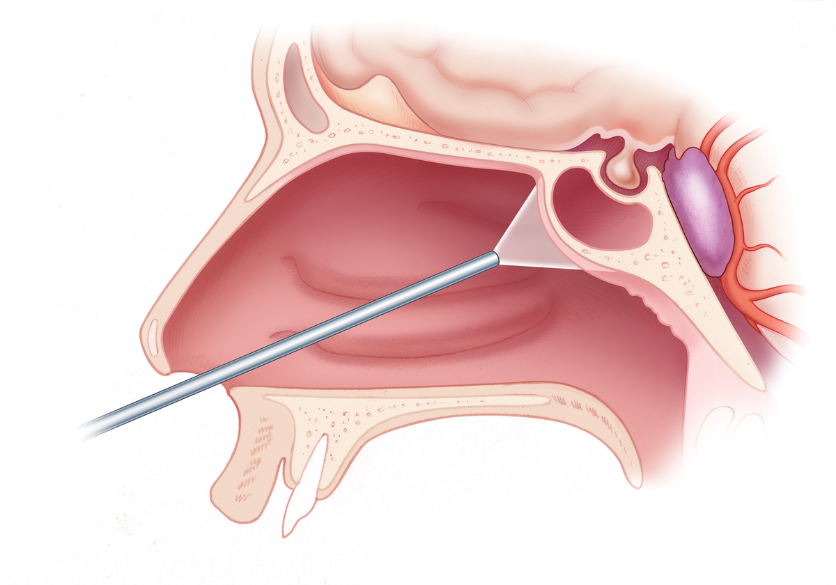
A minimally invasive surgical procedure called endoscopic sinus and skull-base surgery is used to treat complicated sinus diseases and disorders affecting the skull base, which is the space between the brain and the sinuses. Without making any external incisions, the surgeon inserts a thin endoscope with a camera through the nostrils.
How the Surgery Works
-
One is given general anesthesia.
-
Pathways for natural sinus drainage are reestablished.
-
Through the nostrils, a high-definition endoscope is inserted.
-
For accuracy, image guidance or navigation systems may be employed.
-
Typically, there are fewer external scars, less bleeding, and quicker healing.
-
Small tools are used to remove tumors, polyps, disease tissue, and obstructions.
-
In order to safely access deeper regions for skull-base tumors, the ENT surgeon collaborates with a neurosurgeon.
Benefits of Endoscopic Surgery
-
No cuts that are visible
-
Reduced discomfort and bleeding
-
Maintenance of healthy nasal structures
-
Accurate visualization of complex areas
-
Shorter hospital stays and quicker recovery
-
Treatment of sinus and skull-base disorders that works
-
Compared to open surgery, there are fewer complications.
Risks & Possible Complications
-
Bleeding
-
Infection
-
CSF leak (rare)
-
Eye injury (very rare)
-
Reduced sense of smell
-
Recurrence of sinus disease or tumors
-
Temporary nasal congestion or crusting
-
Your surgeon evaluates risks depending on your exact condition.