- Email: doctorbs23@gmail.com
- Utopia Medical Centre, Shiv Mandir, Mukta Complex, Near Narashingha Vidhyapith, 734011
- Call: +91-6291612067

Vocal Fold Surgery
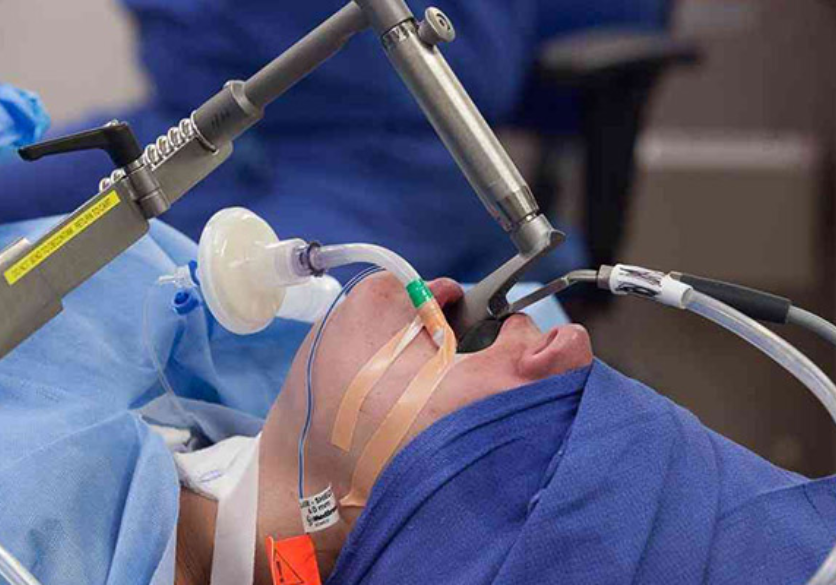
Vocal Fold Surgery
Vocal fold surgery improves the quality and function of the voice by treating conditions like paralysis, nodules, or cysts. Procedures include laser treatments, nerve repair, injection augmentation to add bulk, and medialization laryngoplasty with an implant. Every patient recovers differently, and it may take weeks or months to see complete results.
Types of vocal fold surgery
-
Injection Augmentation
A soft filler is injected to add bulk so folds meet properly.
-
Medialization Laryngoplasty
A small implant shifts the vocal fold inward for better vibration.
-
Reduction Laryngoplasty
Vocal structures are reduced in size to naturally raise voice pitch.
-
Laser Surgery
A precise CO₂ laser removes polyps or cysts with minimal bleeding.
-
Nerve Reconstruction
A healthy nerve is reconnected to restore vocal cord movement over time.
-
Tracheotomy
An opening is created in the windpipe to help breathing when both folds are paralyzed.
How the Surgery Is Performed
-
Most of the time, no external cuts are required.
-
The surgeon uses thin, accurate instruments to work on the sensitive vocal folds.
-
While some surgeries can be completed in 15 to 45 minutes, others might take longer.
-
A microscope or endoscope is typically used to perform procedures through the mouth.
-
Patients return home the same day after many procedures, which are day-care surgeries.
Benefits of Vocal Fold Surgery
-
A louder, more distinct voice
-
Reduced vocal fatigue during speech
-
When necessary, a natural pitch improvement
-
Better breathing under specific circumstances
-
Improved performance of a professional voice
-
Vocal fold movement restoration (in certain situations)